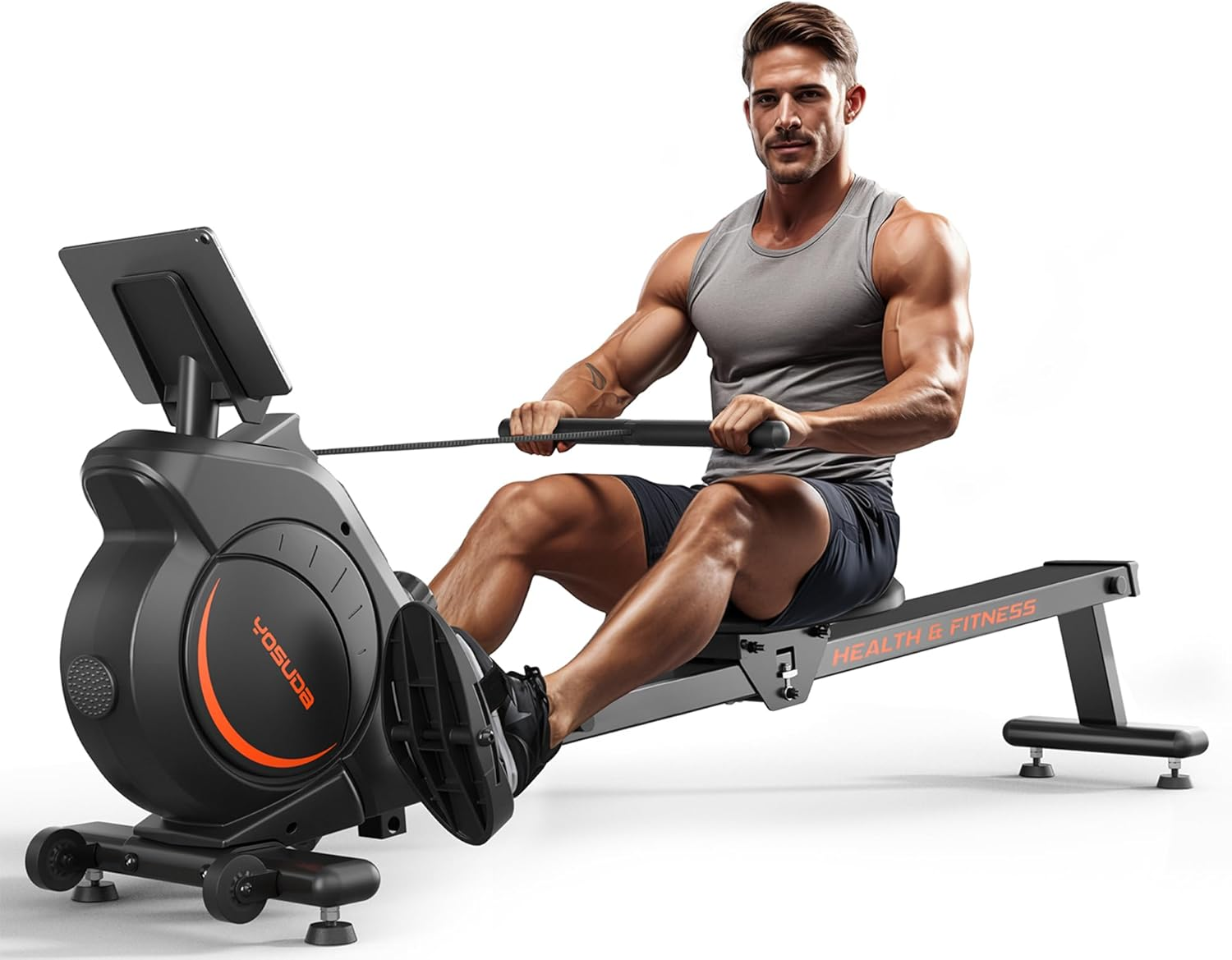
The air rower machine, also known as an air resistance rowing machine, has become one of the most popular pieces of fitness equipment in gyms and home workout spaces. Its ability to deliver a full-body workout, improve cardiovascular health, and build strength makes it a top choice for athletes, fitness enthusiasts, and beginners alike. This comprehensive guide explores the air rower machine benefits, how it works, and why it’s one of the most effective tools for achieving fitness goals.
What Is an Air Rower Machine?
An air rower machine uses a flywheel with fan blades to create resistance. As the user pulls the handle, the flywheel spins, and the air resistance increases with the intensity of the rowing stroke. The harder and faster the rower pulls, the greater the resistance becomes. This self-regulating resistance system makes the air rower ideal for all fitness levels, from beginners to elite athletes.
Unlike magnetic or water rowers, the air rower provides a smooth, natural rowing motion that closely mimics the feel of rowing on water. It’s also known for its durability, low maintenance, and ability to deliver consistent performance over time.

How an Air Rower Machine Works
The air rower operates on a simple yet effective principle: resistance generated by air. When the handle is pulled, the flywheel spins, pushing air through its fan blades. The faster the spin, the more air resistance is created. This dynamic resistance system ensures that the workout intensity automatically adjusts to the user’s effort level.
Key Components of an Air Rower:
- Flywheel and Fan Blades: Generate air resistance based on rowing speed.
- Handle and Chain: Connect the user’s pull to the flywheel.
- Damper Setting: Adjusts airflow to the flywheel, allowing control over the rowing feel.
- Seat and Rail: Enable smooth, gliding motion for the legs.
- Performance Monitor: Tracks metrics like distance, time, strokes per minute, and calories burned.
This combination of features makes the air rower a versatile and efficient machine for both cardio and strength training.
Top Air Rower Machine Benefits
1. Full-Body Workout
One of the most significant air rower machine benefits is its ability to engage nearly every major muscle group. Each stroke involves the legs, core, back, and arms, providing a balanced workout that builds strength and endurance simultaneously.
- Legs: The drive phase activates the quadriceps, hamstrings, and glutes.
- Core: The midsection stabilizes the body and transfers power between the upper and lower body.
- Back and Shoulders: The pulling motion strengthens the lats, traps, and deltoids.
- Arms: The biceps and forearms are engaged during the pull and recovery phases.
This total-body engagement makes rowing one of the most efficient exercises for overall fitness.
2. Excellent Cardiovascular Conditioning
Rowing is a powerful cardiovascular exercise that elevates heart rate and improves lung capacity. Regular use of an air rower enhances aerobic endurance, helping the body utilize oxygen more efficiently. Over time, this leads to improved stamina, reduced fatigue, and better overall cardiovascular health.
Studies have shown that rowing can burn as many calories as running or cycling, making it an excellent choice for those seeking heart health benefits without high-impact stress on the joints.
3. Low-Impact Exercise
Unlike running or jumping exercises, rowing is low-impact and gentle on the joints. The smooth, gliding motion minimizes stress on the knees, hips, and ankles, making it suitable for individuals recovering from injuries or those with joint concerns. Despite being low-impact, it still delivers a high-intensity workout that challenges both strength and endurance.
4. Adjustable Intensity for All Fitness Levels
The air rower’s resistance automatically adjusts to the user’s effort. The harder the pull, the greater the resistance. This self-regulating feature allows beginners to start at a comfortable pace while advanced users can push themselves to maximum intensity. The damper setting also provides additional control, allowing users to fine-tune the rowing experience.
This adaptability makes the air rower ideal for interval training, endurance sessions, or steady-state cardio workouts.
5. Efficient Calorie Burning
Rowing is one of the most efficient calorie-burning exercises available. Depending on body weight and intensity, a 30-minute session on an air rower can burn between 300 and 600 calories. Because it engages multiple muscle groups simultaneously, the body expends more energy compared to isolated exercises.
This makes the air rower an excellent tool for weight loss and fat reduction when combined with a balanced diet and consistent training routine.
6. Builds Strength and Endurance
The air rower develops both muscular strength and cardiovascular endurance. The resistance created by the flywheel challenges the muscles, while the continuous motion improves stamina. Over time, users experience increased power output, better muscle tone, and enhanced athletic performance.
Rowing also improves muscular endurance, allowing the body to sustain effort for longer periods without fatigue—a key benefit for athletes and fitness enthusiasts alike.
7. Enhances Posture and Core Stability
Proper rowing technique requires maintaining a strong, upright posture throughout the movement. This constant engagement of the core muscles strengthens the abdominals, obliques, and lower back. As a result, regular rowing can improve posture, reduce back pain, and enhance overall stability.
A strong core also supports better performance in other exercises and daily activities, making this one of the most valuable air rower machine benefits.
8. Promotes Mental Well-Being
Rowing is not only beneficial for physical health but also for mental wellness. The rhythmic, repetitive motion of rowing can have a meditative effect, reducing stress and promoting relaxation. The release of endorphins during exercise helps combat anxiety and depression, leading to improved mood and mental clarity.
Additionally, tracking progress on the performance monitor provides a sense of accomplishment and motivation to continue improving.
9. Suitable for Home Workouts
Air rowers are compact, easy to store, and require minimal maintenance, making them ideal for home gyms. Many models feature foldable designs and transport wheels for convenient storage. Their versatility allows users to perform a variety of workouts, from short high-intensity intervals to long endurance sessions, all from the comfort of home.
10. Great for Cross-Training
Athletes from various sports use air rowers for cross-training because of their ability to build endurance, power, and coordination. Rowing complements other forms of training such as running, cycling, and weightlifting by improving cardiovascular capacity and muscular balance. It’s also an excellent recovery tool for active rest days.
Air Rower vs. Other Rowing Machines
There are several types of rowing machines—air, magnetic, water, and hydraulic. Each has unique characteristics, but the air rower stands out for its dynamic resistance and realistic rowing feel.
|
Type |
Resistance Mechanism |
Key Features |
Best For |
|---|---|---|---|
|
Air Rower |
Air resistance via flywheel |
Smooth, self-adjusting resistance; realistic rowing feel |
All fitness levels; performance training |
|
Magnetic Rower |
Magnetic brake system |
Quiet operation; consistent resistance |
Home users seeking silent workouts |
|
Water Rower |
Water-filled tank |
Natural water feel; aesthetic design |
Rowing enthusiasts; home gyms |
|
Hydraulic Rower |
Piston-based resistance |
Compact; affordable |
Beginners; limited space |
The air rower’s ability to automatically adjust resistance based on effort makes it the most versatile and performance-oriented option.
How to Use an Air Rower Machine Properly
Proper technique is essential to maximize the air rower machine benefits and prevent injury. The rowing stroke consists of four main phases: the catch, drive, finish, and recovery.
1. The Catch
- Sit tall with knees bent and shins vertical.
- Grip the handle lightly with arms extended.
- Engage the core and keep the back straight.
2. The Drive
- Push through the legs first, extending the knees and hips.
- As the legs straighten, lean back slightly and pull the handle toward the lower ribs.
- Keep the elbows close to the body.
3. The Finish
- Lean back about 10–15 degrees with legs fully extended.
- Handle should be pulled just below the chest.
- Maintain a strong core and relaxed shoulders.
4. The Recovery
- Extend the arms forward first.
- Lean the torso forward from the hips.
- Bend the knees to return to the starting position.
Maintaining proper form ensures efficiency, reduces strain, and enhances workout results.
Sample Air Rower Workouts
Beginner Workout (20 Minutes)
- 5-minute warm-up at an easy pace
- 10 minutes steady rowing at moderate intensity
- 5-minute cool-down
Interval Workout (25 Minutes)
- 5-minute warm-up
- 8 rounds of 1 minute hard rowing + 1 minute easy rowing
- 5-minute cool-down
Endurance Workout (40 Minutes)
- 10-minute warm-up
- 25 minutes steady rowing at 70–80% effort
- 5-minute cool-down
These workouts can be adjusted based on fitness level and goals, making the air rower a flexible training tool.
Tips for Maximizing Air Rower Machine Benefits
- Focus on Technique: Proper form ensures efficiency and prevents injury.
- Monitor Progress: Use the performance monitor to track distance, time, and calories.
- Incorporate Variety: Alternate between steady-state and interval workouts.
- Stay Consistent: Regular sessions yield the best results for strength and endurance.
- Combine with Strength Training: Complement rowing with resistance exercises for balanced fitness.
Common Mistakes to Avoid
- Overusing the Arms: Rowing should be driven primarily by the legs.
- Slouching the Back: Maintain a strong, upright posture throughout the stroke.
- Rushing the Recovery: Control the return phase to maintain rhythm and efficiency.
- Ignoring Warm-Up and Cool-Down: Proper preparation and recovery prevent strain and enhance performance.
Avoiding these mistakes ensures safe and effective workouts.
Choosing the Right Air Rower Machine
When selecting an air rower, consider the following factors:
- Build Quality: Look for sturdy construction and durable materials.
- Performance Monitor: Choose a model with accurate tracking features.
- Adjustability: Ensure the damper and footrests are adjustable for comfort.
- Noise Level: Air rowers produce some sound; consider this for home use.
- Storage Options: Foldable designs are ideal for limited spaces.
Popular models include the Concept2 RowErg, AssaultRower Elite, and Xebex Air Rower, known for their reliability and performance.
The Long-Term Benefits of Air Rowing
Consistent use of an air rower leads to long-term improvements in health and fitness, including:
- Enhanced cardiovascular endurance
- Increased muscle tone and strength
- Improved posture and flexibility
- Better coordination and balance
- Reduced stress and improved mental clarity
These cumulative benefits make the air rower one of the most effective and sustainable fitness tools available.
Conclusion
The air rower machine benefits extend far beyond simple cardio exercise. It delivers a full-body workout that builds strength, endurance, and cardiovascular health while remaining low-impact and accessible to all fitness levels. Whether used for weight loss, athletic training, or general wellness, the air rower offers unmatched versatility and efficiency.
Incorporating regular rowing sessions into a fitness routine can transform overall health, boost energy levels, and enhance physical performance. With proper technique, consistency, and motivation, the air rower machine can become the cornerstone of a balanced and effective fitness journey.